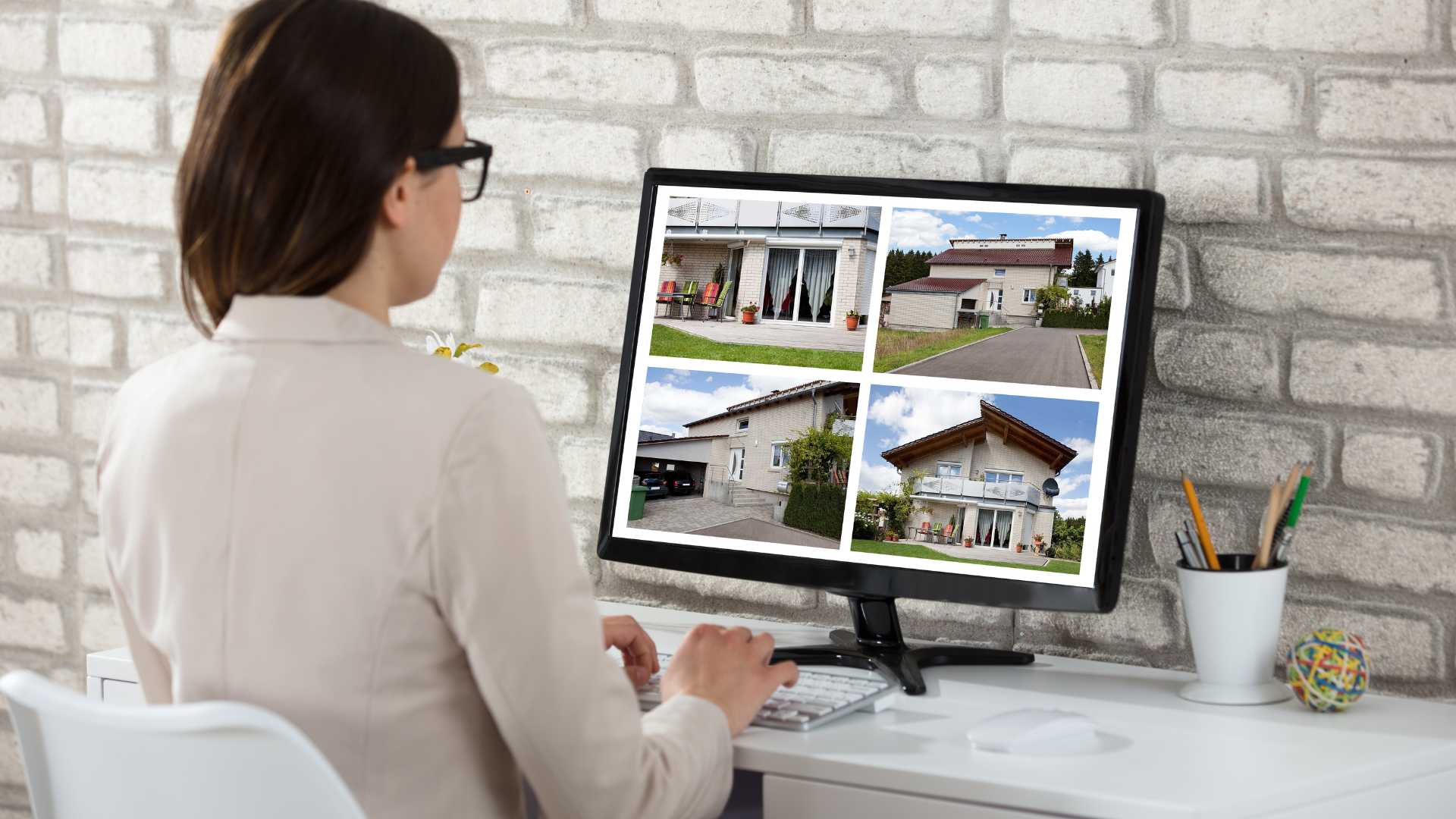
Selling your home without a real estate agent, known as For Sale by Owner (FSBO), can be a smart financial decision when done right. By handling the process yourself, you can save thousands in commission fees, maintain full control over negotiations, and personally guide the sale from start to finish. However, success depends on preparation, pricing strategy, marketing, and legal accuracy.
This comprehensive guide explains exactly how to list your home as FSBO, from preparation to closing, so you can sell confidently and profitably.

What FSBO Means and What It Involves
FSBO (For Sale By Owner) means you’re taking on every aspect of the home-selling process without hiring a real estate agent. That includes pricing, marketing, negotiations, paperwork, and closing.
While this approach can save you significant commission costs, it also requires a solid understanding of real estate transactions.
That’s why structured learning like the courses offered by Something Different Real Estate can make a major difference in both confidence and outcome.
Steps to List a House For Sale By Owner
1. Evaluate Whether FSBO Is Right for You
Before you commit to selling your home on your own, ask yourself a few critical questions to ensure you’re fully prepared for the challenges and responsibilities that come with the FSBO process:
- Do you have time to handle inquiries, showings, and negotiations?
- Are you confident in pricing your home competitively?
- Can you manage contracts, disclosures, and deadlines accurately?
If you’re uncertain about any of these, consider learning the FSBO process first. At Something Different Real Estate, our FSBO course equips homeowners with real-world strategies, legal templates, and step-by-step systems that make selling independently easier and less stressful.
2. Prepare Your Home for the Market
A poorly presented home can kill deals before they even begin. First impressions matter, and buyers often form opinions within seconds of walking through the door.
Here’s how to make your property irresistible:
| Task | Description |
| Declutter and Depersonalize | Remove personal items and excessive décor so buyers can envision themselves living there. |
| Deep Clean Everything | Focus on kitchens, bathrooms, windows, and carpets. A spotless home feels newer and more valuable. |
| Complete Minor Repairs | Fix leaky faucets, cracked tiles, and squeaky doors. Small flaws create big doubts for buyers. |
| Enhance Curb Appeal | Power wash driveways, paint the front door, and maintain landscaping to create a strong first impression. |
Consider professional staging or high-quality photography, which can significantly increase online engagement and help your FSBO listing stand out.
3. Set the Right Asking Price
Pricing your home correctly is absolutely critical. Overpricing deters serious buyers and can cause your listing to sit on the market too long, while underpricing leaves money on the table and reduces your overall return.
Use these proven methods to determine the best price:
- Research comparable sales (comps): Look at homes of similar size, location, and condition sold in the last 3–6 months.
- Use online home valuation tools: Zillow, Redfin, and Realtor.com can give a rough idea, but rely on comps for accuracy.
- Adjust for market trends: If it’s a seller’s market, you can price slightly higher; if it’s a buyer’s market, stay competitive.
You can also hire an appraiser for a professional valuation. This small upfront cost often prevents pricing mistakes that cost thousands later.
4. Gather the Necessary Paperwork
Real estate transactions require multiple legal and disclosure documents to ensure transparency and compliance with state laws. Missing any of these important forms can lead to costly fines, delays, or even compromise the entire sale.
You’ll typically need:
- Property deed
- Seller’s disclosure form
- Pre-inspection report (optional but builds trust)
- HOA documents (if applicable)
- Purchase agreement
- Lead paint disclosure (for homes built before 1978)
- Preliminary Title Report (Pre-Title Report)- optional but builds trust in the legal status of the property
Note: Some states have specific laws requiring licensed professionals for parts of the transaction, such as escrow handling or disclosures. Always verify your local requirements before proceeding.
Consult a real estate attorney to ensure all state-specific legal requirements are met before listing.
5. Create a Professional FSBO Listing
Your listing description and photos are what sell your home online. Since 95% of buyers start their search on the internet, presentation is everything.
Include:
- A compelling headline highlighting your home’s best feature (e.g., “Spacious 4-Bedroom Family Home with Pool in Downtown Austin”)
- High-resolution photos of every room, plus exterior and neighborhood views
- A virtual tour or walkthrough video (optional but effective)
- Key property details: square footage, lot size, year built, upgrades, and neighborhood amenities
As part of our Something Different Real Estate’s FSBO program, sellers learn how to evaluate market trends, interpret data, and set a price that attracts offers quickly.
6. Best FSBO Listing Sites for Selling Your Home Fast
To maximize exposure, list your property across several online and local platforms. Using the top FSBO listing sites helps your home appear on major search portals, attract more qualified buyers, and speed up the sale process.
Here are some of the FSBO websites and platforms to consider:
- Zillow and Trulia: Both allow direct FSBO listings and reach millions of active homebuyers each month.
- Realtor.com (via Flat-Fee MLS Services): A powerful option that puts your home on the local MLS and other major listing networks like Redfin.
- ForSaleByOwner.com: A well-known FSBO marketplace with tools to create and manage your listing easily.
- FSBO.com: Offers national visibility and optional upgrades for MLS exposure.
- Facebook Marketplace and Local Community Groups: Great for targeting buyers within your local area for free.
- Homes.com: An expanding platform that makes it easy to upload photos and reach more buyers.
- Houzeo.com: A popular flat-fee MLS service that gives your listing professional exposure without a traditional agent.
- Nextdoor and Oodle: Excellent for neighborhood-level visibility and connecting with nearby buyers.
The more exposure, the faster you’ll find serious buyers. Combine online listings with yard signs, flyers, and open houses to reach both digital and local audiences.

7. Manage Inquiries and Showings Professionally
Respond promptly to calls, messages, and emails. Serious buyers move fast, and delays can cost you offers.
Tips for handling showings:
- Schedule flexible viewing times, including evenings and weekends.
- Keep your home spotless and neutral.
- Prepare a printed fact sheet highlighting upgrades, nearby schools, and property taxes.
- Never show the home alone, safety first.
Be polite but firm when answering questions. Let the property speak for itself and avoid overselling or rushing buyers.
8. Negotiate Like a Pro
Negotiation is where most FSBO sellers either win big or lose big, and the outcome often depends on preparation and mindset. It’s essential to stay calm, logical, and data-driven throughout the process.
Before entering any discussion, know your bottom line and the minimum price you’re willing to accept. Base your responses on facts, use comparable sales data to justify your asking price rather than emotion or guesswork.
Be open to flexibility on small details, such as closing dates or minor repair requests, if it helps move the deal forward toward a fair agreement. Most importantly, never take offers personally; treat each one as a professional business proposal and focus on reaching a mutually beneficial outcome.
‘‘At Something Different Real Estate, we teach real-world negotiation frameworks used by professionals so FSBO sellers can handle offers confidently and secure the best price possible.’’
9. Handle the Closing Process Correctly
Once you’ve accepted an offer, the sale isn’t over yet. You’ll still need to manage inspections, appraisals, and final paperwork.
During closing:
- The buyer’s lender orders an appraisal.
- The home inspection may lead to repair negotiations.
- Title search and escrow arrangements are finalized.
- You sign the deed and transfer ownership.
If you’re handling this yourself, hire a title company or real estate attorney to oversee the process and ensure all legal obligations are satisfied. They’ll guide you through closing costs, funds transfer, and recording the deed correctly.
Common FSBO Mistakes to Avoid
Even experienced sellers make costly mistakes that can delay a sale or reduce profits. Avoid these common pitfalls to keep your transaction smooth and stress-free:
- Overpricing the property, buyers will instantly skip overpriced homes.
- Poor-quality photos or vague listings reduce online engagement.
- Failing to disclose known defects can lead to legal consequences.
- Ignoring serious buyers’ every inquiry deserves prompt follow-up.
- Not verifying buyers’ financing can waste valuable time; always request a pre-approval letter before negotiations.
Our FSBO course helps you sidestep these issues with proven checklists, templates, and expert insights drawn from real transaction experience.

Final Thoughts
Listing your home as For Sale by Owner gives you control and potential savings, but it requires effort, organization, and precision. From staging and pricing to marketing and negotiation, every detail influences your success.
If you follow this structured process and leverage online tools strategically, you can sell your home efficiently without paying hefty agent commissions.
Selling your home yourself doesn’t mean doing it alone. With the right guidance, you can handle every stage from pricing to closing efficiently and confidently.