Inflation is one of those economic forces that quietly shapes everyday life, yet its impact becomes especially visible when it comes to housing. Whether someone is buying their first home, investing in property, or simply paying rent, inflation plays a significant role in determining costs, availability, and long-term affordability.
Understanding how inflation affects the housing market can help individuals make smarter financial decisions and better anticipate market trends.
👉 For detailed guidance and tips on navigating housing and real estate education, visit Something Different Real Estate.
How Inflation Impacts Purchasing Power?
At its core, inflation refers to the gradual increase in the price of goods and services over time. As inflation rises, the purchasing power of money decreases. In practical terms, this means that the same amount of money buys less than it did before. While moderate inflation is a natural part of a growing economy, higher levels of inflation can create ripple effects across multiple sectors, especially housing.
Here’s The Complete Buyer’s Blueprint
How Rising Inflation Affects Borrowing Costs
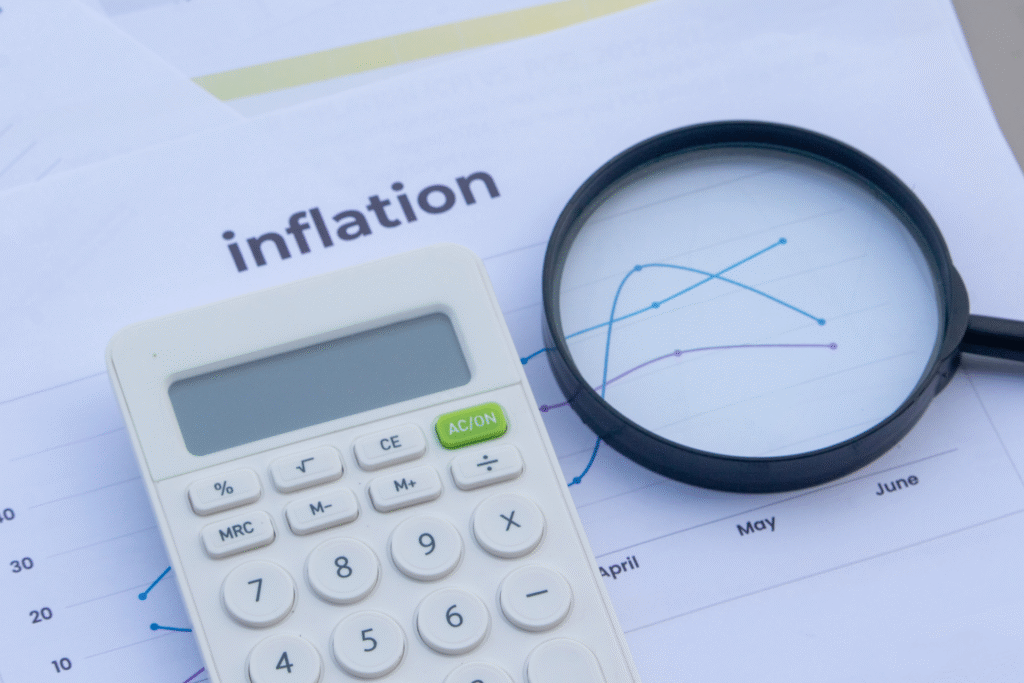
One of the most direct ways inflation impacts the housing market is through interest rates. Central banks typically raise interest rates to control rising inflation. When inflation is high, borrowing becomes more expensive because lenders increase rates to maintain profitability and offset risk.
For homebuyers, this means higher mortgage rates. Even a small increase in interest rates can significantly raise monthly payments, reducing affordability. For example, a buyer who could comfortably afford a home at a lower interest rate may find themselves priced out when rates climb.
As borrowing becomes more expensive, demand for homes tends to slow down. This can lead to a cooling effect in the housing market, where price growth stabilizes or even declines in some areas.
Find out Mortgage Broker Vs Bank: Which is The Best Option for Home Buyers?
7 Housing Market Trends Influenced by Inflation
Inflation-driven market dynamics influence the housing sector in several interconnected ways. Rising construction costs push up home prices, while reduced affordability shifts demand toward rental markets, often increasing rents. At the same time, wage growth may not keep pace, making housing less accessible. Inflation also shapes investor behavior, varies across regions, and prompts government intervention, all of which contribute to long-term housing market trends.
1. Rising Construction Costs
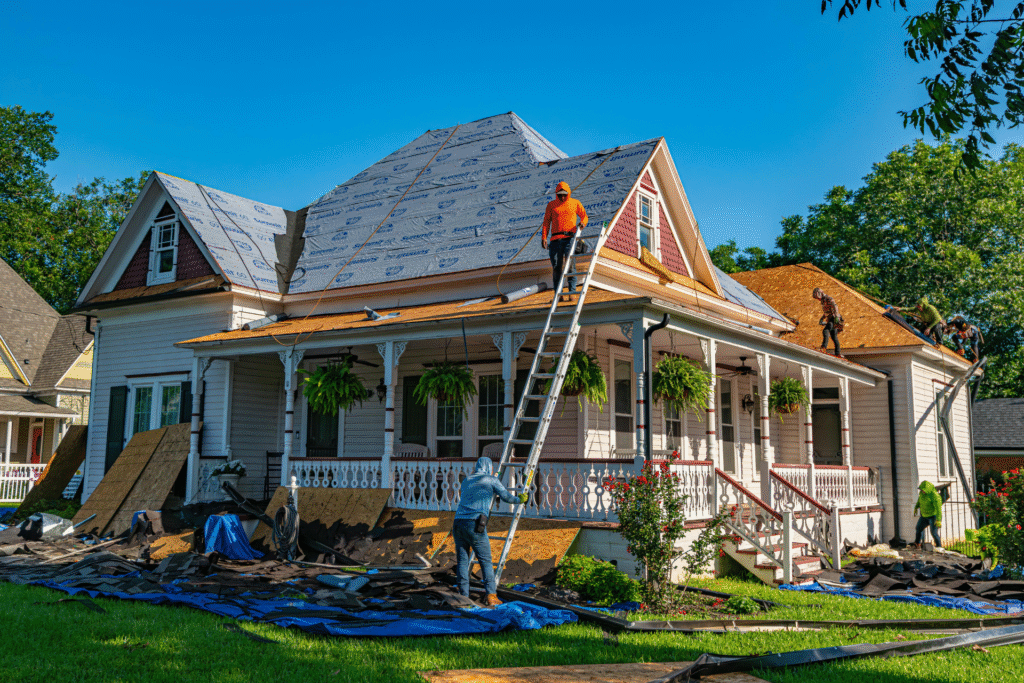
Inflation not only affects buyers. It also has a major impact on builders and developers. When the cost of raw materials such as steel, cement, and lumber increases, the overall cost of construction rises. Labor costs also tend to increase during inflationary periods.
Key impacts include:
- Higher material costs increase the overall budget required for new projects
- Rising labor expenses make construction more expensive and time-consuming
- Project delays or cancellations when developments become financially unviable
- Reduced housing supply due to fewer new projects entering the market
- Increased home prices as builders pass costs on to buyers
- Affordability challenges for buyers as prices continue to rise
A limited supply combined with sustained demand often keeps prices elevated, even when affordability becomes a challenge.
Also Read: How to Advertise a Home For Sale by Owner
2. Impact on Home Prices
Inflation can push home prices in different directions depending on the broader economic environment. On one hand, rising costs and limited supply can drive prices higher. On the other hand, higher interest rates can reduce demand, putting downward pressure on prices.
In many cases, these forces balance each other out, resulting in slower price growth rather than sharp declines. However, in extreme situations where borrowing becomes too expensive, housing markets can experience noticeable slowdowns.
It is also worth noting that real estate is often viewed as a hedge against inflation. Property values tend to increase over time, helping investors preserve wealth. This perception can keep demand relatively strong, even during inflationary periods.
3. Effects on Rental Markets
Inflation has a strong impact on rental markets as well. As homeownership becomes less affordable due to higher mortgage rates, more people turn to renting. This increased demand can drive up rental prices.
At the same time, landlords face higher maintenance, property taxes and financing costs. These expenses are often passed on to tenants through higher rents. As a result, renters may experience financial strain during periods of high inflation. In urban areas or regions with limited housing supply, rental inflation can be particularly sharp. This can lead to affordability challenges for a large portion of the population.
4. Wage Growth and Affordability
Another important factor to consider is wage growth. Ideally, wages should rise alongside inflation to maintain purchasing power. However, wage increases often lag behind inflation, especially during sudden spikes.
When incomes do not keep pace with rising housing costs, affordability becomes a major issue. Buyers may struggle to save for down payments, while renters may find a larger portion of their income going toward housing expenses. This imbalance can widen economic inequality and make it harder for younger generations to enter the housing market.
5. Investor Behavior During Inflation
Inflation can also influence the behavior of real estate investors. Many investors turn to property as a way to protect their wealth from inflation. Real estate tends to appreciate over time and can generate rental income that adjusts with inflation.
This increased investor activity can drive up demand, particularly in desirable locations. While this can be beneficial for property values, it can also make it more difficult for first-time buyers to compete.
In some cases, speculative buying during inflationary periods can lead to price volatility. Markets may experience rapid increases followed by corrections once economic conditions stabilize.
Read about Real Estate Investment Strategies: Buy and Hold vs Flipping
6. Housing Markets Differ by Region
It is important to recognize that inflation does not affect all housing markets equally. Local factors such as employment rates, population growth, and government policies play a significant role in shaping outcomes.
For example, cities with strong job markets and limited land availability may continue to see rising home prices despite higher interest rates. On the other hand, regions with slower economic growth may experience declining demand and price corrections.
Understanding these regional dynamics is key for both buyers and investors.
7. Government Policies and Intervention
Governments often step in during periods of high inflation to stabilize the housing market. Policies may include subsidies for first-time buyers, tax incentives, or regulations to control rent increases.
Central banks also play a critical role by adjusting interest rates to manage inflation. While these measures can help stabilize the market, they may also have unintended consequences, such as reduced investment or slower construction activity.
Inflation is a powerful force that influences nearly every aspect of the housing market, from mortgage rates and home prices to rental costs and investment strategies. While rising inflation can create affordability challenges, it also highlights the importance of careful planning and informed decision-making.
By knowing how inflation works and how it impacts housing, individuals can better navigate the complexities of the market.