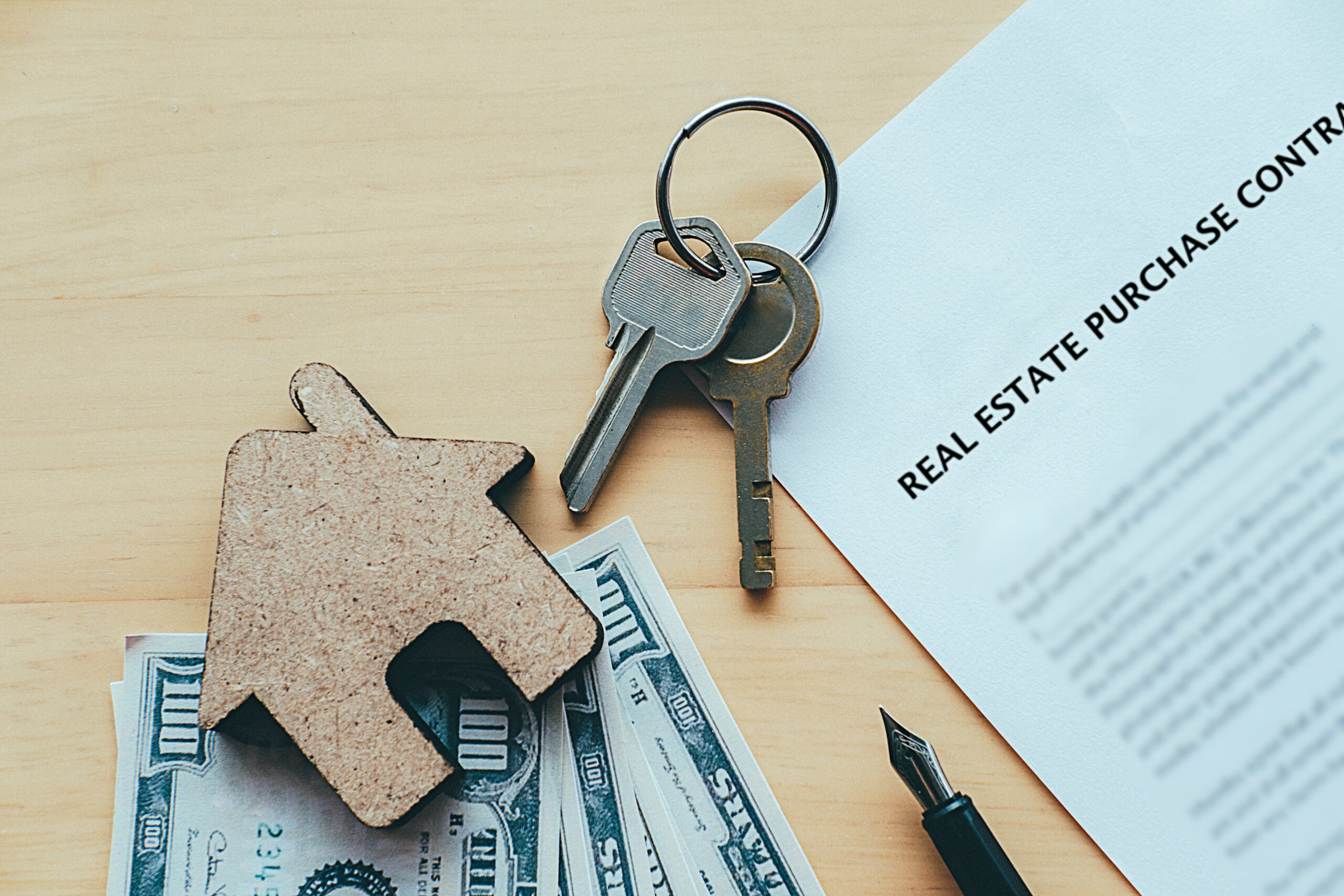
Most people sign a real estate contract the way they accept an app’s terms and conditions: they scroll to the bottom and hope for the best. With a home, that’s a risky habit, because this one document decides how much you pay, when you pay it, what you get for it, and what happens if the deal falls apart.
The tricky part is that contracts are written in legal language, so it’s easy to skim past the parts that matter most. But once both sides sign, the deadlines and conditions in it are the ones you’ll be held to. Here are the clauses that matter most, and how to read them without getting lost.
What a Real Estate Contract Covers
A real estate contract is a written agreement between a buyer and a seller that sets out the price, the deposit, the deadlines, and the conditions of a sale. In practice, though, “the contract” is often several documents working together, and knowing which is which makes the paperwork much easier to follow. These are the ones you’re most likely to see:
- Purchase agreement: the main contract, where the buyer’s offer becomes binding once both sides sign
- Counteroffer: the seller’s response when they want different terms, such as a new price, closing date, or list of included items
- Addendum: a separate page attached to the contract for any later change, such as a repair agreement after the inspection
- Listing agreement: a contract between a seller and an agent that covers the agent’s role and commission
- Option agreement: gives a buyer the right, but not the obligation, to buy a property within a set time
- Lease agreement: covers renting, and it can include an option to buy at the end
Important Clauses in a Real Estate Contract
Before signing, take a closer look at the key clauses in the contract to understand what they cover and how they can affect the agreement.
1. Parties to the Contract
The contract needs the full name of every buyer and seller, and the names should match each person’s ID and the deed. The property address should match the deed as well. Mistakes here are usually quick to fix before closing, but if they’re found late, they can delay the title work and the final paperwork.
2. Purchase Price and Earnest Money Deposit
The contract states the purchase price and how it will be paid, whether by loan, cash, or a mix of both. It also states the earnest money deposit, which is money the buyer pays after the seller accepts the offer, to show they are serious about buying. The deposit is usually 1% to 3% of the price, so $3,000 to $9,000 on a $300,000 home, and if the sale closes, it counts toward the buyer’s down payment or closing costs.
Look for these two things:
- Who holds the money: it’s usually a title company or an attorney, not the seller.
- When it’s refundable: the contract says when the buyer gets it back and when the seller can keep it.
3. Contingencies
Contingencies protect the buyer if something goes wrong. There are conditions that have to be met before the sale can close, and if one isn’t met, the buyer can usually cancel without losing the deposit.
The three most common are:
- Inspection: gives the buyer time to inspect the home, often a week or two, and ask for repairs or cancel if the problems are serious.
- Financing: lets the buyer cancel if their loan isn’t approved.
- Appraisal: lets the buyer renegotiate or cancel if the home appraises for less than the price.
For instance, if the contract gives the buyer 10 days to complete an inspection, they must raise any inspection-related concerns within that period. Waiting until day 15 could mean losing the protection offered by that contingency.
Ready to Make Smarter Real Estate Decisions?
Get practical insights and helpful resources from Something Different Real Estate to make your next real estate decision with confidence.
4. Closing Date and Key Deadlines
Most contract deadlines are counted from the effective date, which is when both parties sign the final agreement. These usually include:
- Earnest money is due, typically within a few days of signing.
- The inspection deadline, the last day to complete the inspection and raise any concerns.
- Financing and appraisal deadlines, when the loan approval and property appraisal must be completed.
- Closing day, when ownership officially transfers to the buyer, usually 30 to 60 days after signing if financing is involved.
Keep track of these dates from the beginning, as missing a deadline could affect your rights under the contract or cost you money.
5. Inclusions, Exclusions and Seller Disclosures
The contract should clearly list what comes with the house, such as appliances and window coverings, and what the seller plans to take. Items attached to the property usually stay, while loose items may not, so it is best to avoid assumptions and spell everything out.
It also covers seller disclosures, which include any known issues with the property. Disclosure requirements vary by state.
Built before 1978? Federal law requires sellers to provide a lead-based paint disclosure and an EPA pamphlet. Buyers get 10 days to test for lead unless they waive this right.
6. Default and Remedies
A default occurs when either the buyer or seller fails to meet the terms of the contract. What happens next depends on the agreement.
If the buyer backs out without a valid reason, the seller may be allowed to keep the earnest money, depending on the contract.
If the seller backs out, the buyer can generally get their deposit back and may have other legal options.
Make sure you understand this section before signing so you know what could happen if the deal doesn’t go through.
7. Title and Ownership
The contract should also address the property’s title and confirm that the seller has the legal right to transfer ownership. A title search helps identify issues such as unpaid liens, ownership disputes, or other claims against the property. If any problems come up, they may need to be resolved before closing.
Common Mistakes to Avoid in a Real Estate Contract
A few common mistakes can lead to confusion or problems later in the transaction. Here are some things to watch out for:
- Relying on verbal promises: If the seller agrees to fix something or leave an appliance, make sure it is included in the written contract.
- Making changes over text or phone calls: Any changes to the price, dates, or terms should be documented in a written addendum or amendment signed by both parties.
- Skipping the attachments: Disclosures, HOA addendums, and other referenced documents are part of the agreement and should be reviewed before signing.
- Using a template that doesn’t fit your state: Contract requirements vary by state, so make sure the form meets your state’s rules.
- Signing in a hurry: Take time to review every section and understand the terms before agreeing to them.
Looking for the Right Real Estate Guidance?
A real estate transaction involves more than just signing paperwork. Something Different Real Estate offers courses, consultations, and practical tools to help you handle each stage of the process with greater clarity and confidence.
Understand Every Clause
Our FSBO Purchase and Sales Agreement course walks you through each part of the contract in plain English, so you know what you are signing.
Learn the Whole Process
Whether you’re buying or selling, the Complete Buyer’s Blueprint and the Complete Seller’s Journey give you a clear path through the whole process, from the first step to closing day.
Talk Through Your Own Deal
Have questions about your own contract? Book a One-on-One Consultation and get answers that fit your situation.